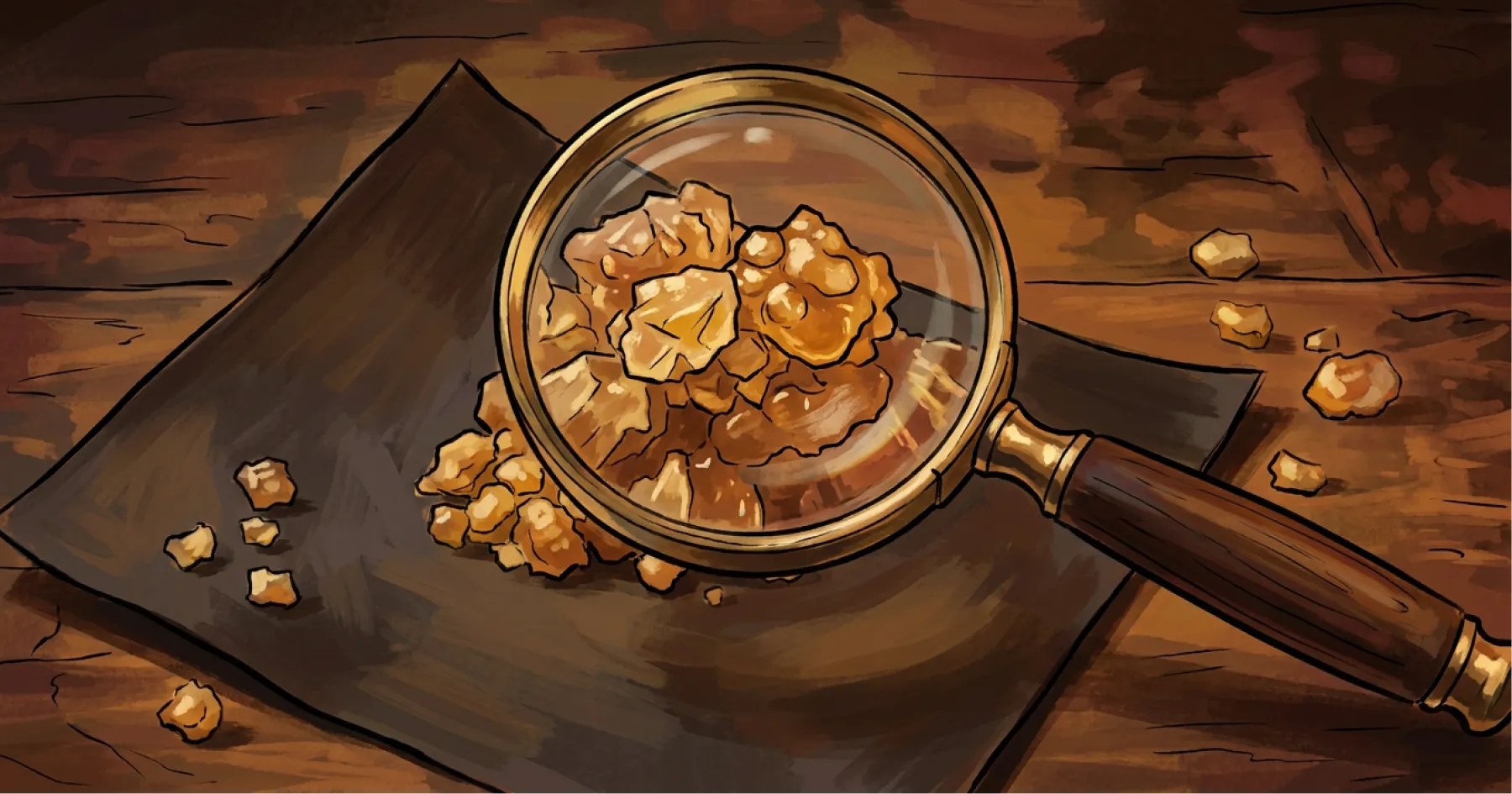
Walk through any dispensary and you’ll find a concentrate section packed with names that sound like a completely different language. Live resin, cured resin, RSO, and distillate sit alongside budder, shatter, rosin, and hash. There’s so much terminology that even experienced cannabis consumers who know flower inside and out can feel a little lost.
Story Cannabis created this guide to make concentrates easier to understand for our members of the cannabis community. It breaks down the major concentrate types found in dispensaries today, explains what makes each one different, and helps you figure out which formats may fit your preferences and experience level.
Before getting into the different concentrate categories, it helps to understand what cannabis concentrates actually are and why they differ so much from traditional flower.
Table of Contents
What Is a Cannabis Concentrate?
A cannabis concentrate is any product made by isolating cannabinoids and terpenes from the plant while removing most of the excess plant material. The result is a far more potent product by weight than traditional flower.
Part of the confusion surrounding cannabis concentrates comes from the way they’re named. Most of the terminology evolved from extraction methods instead of anything intuitive to the average consumer. Once you understand a few core differences, though, the category starts to make a lot more sense.
Flower typically tests between 15% and 30% THC. Concentrates, meanwhile, often range from 60% to 95% THC depending on the extraction method, refinement process, and cannabinoid profile of the starting plant material. That jump in potency is what defines the category and why dosing matters even more with concentrates than with flower.
The extraction method shapes nearly every part of the final product, including:
- Texture
- Flavor
- Terpene retention
- Potency
- How the concentrate is consumed
- How it is typically dosed
Understanding how a concentrate is made is usually more helpful than trying to memorize every product name on a dispensary shelf.
How Cannabis Concentrates Are Categorized
Two distinctions — solvent-based vs. solventless and fresh-frozen vs. cured — organize most cannabis concentrates found in dispensaries today.
Solvent-Based vs. Solventless
Solvent-based concentrates use substances such as butane, CO2, or ethanol to separate cannabinoids and terpenes from the plant. Solventless concentrates rely on heat, pressure, ice water, or mechanical separation instead. Neither method is inherently superior. Each produces different textures, terpene profiles, and consumption experiences.
Fresh-Frozen vs. Cured
Some concentrates are made from fresh-frozen cannabis, meaning the plant is frozen immediately after harvest to preserve terpenes and volatile compounds. Others are made from dried and cured flower, the same starting material used for smokable flower. Fresh-frozen products often retain more terpene content and distinct aroma characteristics. Cured-material concentrates tend to feel more familiar in character to traditional flower consumers.
What Are Solvent-Based Concentrates?
Solvent-based concentrates are made by using a chemical solvent to extract cannabinoids and terpenes from cannabis plant material. The solvent is then removed through a purging process, leaving behind a concentrated extract.
This category includes:
- Distillate
- Live resin
- Cured resin
- RSO
- Wax
- Shatter
- Budder
Solvent-based extraction is the most common method used in commercial cannabis production because it is efficient and scalable. When properly purged, the finished concentrate should not contain residual solvents. Licensed cannabis processors in legal states are required to test concentrates for residual solvents as part of the COA (Certificate of Analysis) process.
Understanding the Main Types of Solvent-Based Concentrates
Each solvent-based concentrate has its own texture, potency range, terpene profile, and consumption style. Some are designed for vape cartridges, while others are intended for dabbing or oral use.
Here’s how the most common categories compare, starting with distillate.
Distillate
Distillate is the most refined concentrate type. It is produced through a process called short-path distillation, which strips the extract down to near-pure cannabinoids, typically THC or CBD, by removing terpenes, waxes, and all other plant compounds.
The result is a clear to pale gold oil with very little flavor of its own and a THC concentration typically between 85% and 99%. Distillate is the base ingredient in most vape cartridges on the market. It is also the easiest concentrate to dose precisely because it comes in labeled syringes with a clear milligram count per gram.
Because distillate is stripped of its terpenes during processing, most commercial distillate products add terpenes back in after the fact, either cannabis-derived or botanical. Products that use cannabis-derived terpenes will note this on the label.
Distillate is a strong starting point for concentrate newcomers because it is familiar in format (cartridges), easy to find, and straightforward to control.
Live Resin
Live resin is a solvent-based extract made from fresh-frozen cannabis. Immediately after harvest, the plant is frozen at extremely low temperatures rather than dried and cured. The frozen material is then extracted using hydrocarbon solvents, typically butane or a butane-propane blend.
Because the plant was never dried, the terpene profile is preserved in a way that curing and drying would have degraded. The result is a concentrate with a significantly more complex, aromatic, and flavor-forward character than products made from cured material. Live resin typically has a sauce-like or sugar-like consistency and ranges from 65% to 90% THC.
Live resin is widely considered one of the best ways to preserve a cultivar’s original aroma and flavor profile. If aroma and flavor fidelity matter to you, live resin is the format most likely to deliver that. It is also available in vape cartridge form, which makes it accessible without requiring any dabbing equipment.
Cured Resin
Cured resin is the catch-all term for solvent-based extracts made from dried and cured cannabis rather than fresh-frozen material. The same hydrocarbon or CO2 extraction process is used, but the starting material has gone through the traditional drying and curing process first.
Because curing degrades terpenes to some degree, cured resin products are generally less aromatic and flavor-forward than live resin. However, they are typically more affordable, widely available, and still deliver a full-spectrum cannabinoid profile. Cured resin is a solid everyday option for consumers who prioritize value and accessibility over maximum terpene expression.
RSO (Rick Simpson Oil)
RSO, short for Rick Simpson Oil, is a full-spectrum whole-plant extract made using ethanol as the solvent. The ethanol extraction process pulls a broad range of cannabinoids, including THC, CBD, CBN, CBG, and others, along with terpenes and other plant compounds. The ethanol is then removed, leaving a dark, thick, viscous oil.
Unlike highly refined concentrates such as distillate, RSO retains more of the plant’s original compound profile. It typically tests between 60% and 90% THC while also containing a broader supporting cannabinoid and terpene profile.
RSO is typically consumed orally, placed under the tongue, or mixed into food rather than dabbed. It comes in a syringe applicator that makes portioning straightforward. For consumers who want a concentrate format without any equipment or inhalation, RSO is one of the most accessible entry points in the category.
Wax
Wax is a broad term for solvent-based concentrates with a soft, opaque, waxy texture. The texture comes from agitation during the purging process, which disrupts the formation of a smooth, translucent consistency. Wax is easier to handle than shatter but less refined in appearance, typically testing between 60% and 80% THC.
You typically dab wax with a dab rig or an electronic device such as a Puffco. It is one of the more affordable concentrate formats and a common starting point for consumers exploring the dabbing category.
Shatter
Shatter is a solvent-based concentrate with a hard, brittle, glass-like consistency. It is produced with minimal agitation during purging, which allows the molecules to align into a smooth, translucent sheet. Shatter typically tests between 70% and 90% THC.
The texture makes shatter slightly more difficult to handle than wax or budder since it needs to be broken off in pieces rather than scooped. It is consumed by dabbing and tends to be prized for its visual clarity and high potency.
Budder or Badder
Budder is a solvent-based concentrate whipped or agitated during the purging process to create a smooth, creamy, butter-like consistency. The texture makes it one of the easiest concentrates to handle and scoop for dabbing.
Badder (Often confused with budder and sometimes spelled batter) is also easy to scoop thanks to aeration, but has more of a grainy, cake-batter texture than budder.
Budder and badder typically test between 70% and 90% THC and sit in the middle of the concentrate spectrum in terms of refinement. It retains more terpenes than distillate but less than live resin. For consumers who want a dabbable concentrate that is approachable to handle, budder is a practical choice.
What Are Solventless Concentrates?
Solventless concentrates are made without chemical solvents. They use heat, pressure, ice water, or mechanical agitation to separate cannabinoids and terpenes from the plant. This category includes rosin, hash, and dry sift.
Solventless extraction has grown significantly in popularity as more consumers look for concentrates made without chemical solvents. The tradeoff is yield, as solventless methods typically produce less finished product per pound of starting material than solvent-based methods. That fact makes solventless products more expensive to produce and generally priced higher at retail.
Rosin
Rosin is made by applying heat and pressure to cannabis flower, hash, or dry sift. The combination forces the resin to squeeze out of the plant material, producing a sap-like concentrate without any solvents.
Rosin can be made at home using a hair straightener as a proof of concept, though commercial rosin is made using purpose-built hydraulic presses that produce more consistent results at scale. The texture varies from a sappy, sauce-like consistency to a more solid, waxy form depending on temperature and post-processing.
Live rosin is rosin made from fresh-frozen bubble hash rather than cured flower. It commands the highest prices in the solventless category because the starting material is more expensive to produce and the terpene preservation is exceptional. For consumers who want the cleanest, most flavorful expression of a cultivar without solvents, live rosin is the benchmark product.
Hash
Hash is one of the oldest cannabis concentrate forms in the world, with roots tracing back centuries across Central Asia and the Middle East. Traditional hash is made by collecting the resin glands (trichomes) from cannabis and compressing them into a solid block.
Modern dispensary hash is most commonly bubble hash, also called ice water hash. It is made by agitating cannabis in ice water, which causes the trichomes to separate from the plant material and sink to the bottom. The trichome-rich water is then filtered through a series of mesh screens to collect the resin.
Bubble hash is graded on a star system from 1-star (lower quality, more plant material) to 6-star (nearly pure trichomes, also called full melt). Full-melt hash can be dabbed directly. Lower-grade hash is typically pressed into rosin, smoked on top of flower, or used in edibles.
Dry Sift
Dry sift, also called dry sieve hash, is made by mechanically separating trichomes from dried cannabis using fine mesh screens. The plant material is gently worked across the screens, and the trichomes fall through while the larger plant material stays behind.
The resulting powder is similar in appearance to kief, the fine material that collects at the bottom of a grinder. High-quality dry sift can be pressed into rosin or consumed on its own. It is one of the more accessible solventless formats but requires careful temperature control and technique to produce at a quality level suitable for dabbing.
Live Resin vs. Distillate vs. RSO vs. Rosin: What Is Actually Different?
The table below covers the major concentrate types available at licensed dispensaries, organized by key characteristics to help you compare at a glance.
Type | Solvent-Free | Starting Material | Terpene Preservation | Typical THC % | Best Consumption Method |
|---|---|---|---|---|---|
Distillate | No | Cured | Low (terpenes removed, often re-added) | 85–99% | Vape cartridge, syringe (oral) |
Live Resin | No | Fresh-frozen | Very High | 65–90% | Dab rig, e-rig, live resin cart |
Cured Resin | No | Cured | Moderate | 60–85% | Dab rig, e-rig, cartridge |
RSO | No | Cured | Moderate (broad spectrum) | 60–90% | Oral / sublingual, syringe |
Wax | No | Cured | Moderate | 60–80% | Dab rig, e-rig |
Shatter | No | Cured | Moderate | 70–90% | Dab rig, e-rig |
Budder / Badder | No | Cured or live | Moderate to High | 70–90% | Dab rig, e-rig |
Rosin | Yes | Flower or hash | High to Very High | 60–80% | Dab rig, e-rig |
Live Rosin | Yes | Fresh-frozen hash | Very High | 65–85% | Dab rig, e-rig |
Bubble Hash | Yes | Fresh or cured | High | 40–80% | Dab, sprinkle on flower, edibles |
Dry Sift | Yes | Cured | Moderate to High | 40–70% | Press into rosin, top flower |
THC percentages are typical ranges and vary by batch, brand, and state. Always check the COA for the specific product you are purchasing.
Which Concentrate Is Right for You? A Beginner-Friendly Starting Point
A common starting point for a flower-first consumer is usually the one that requires the least new equipment and knowledge. Distillate cartridges, live resin cartridges, and RSO are the three formats that offer the most accessible on-ramp into the concentrate category.
Most of the intimidation around concentrates comes from the equipment side, not the products themselves. Dab rigs, torches, and temperature control take practice to get right. If you are new to the category, choosing a format that works with equipment you already understand dramatically lowers the barrier.
The table below matches what you might already value about flower to the concentrate type most likely to deliver a similar experience in a more concentrated format.
If you value this about flower… | Start with this concentrate |
|---|---|
Familiar, easy-to-use format | Distillate cartridge or live resin cartridge |
Rich aroma and flavor that tastes like the strain | Live resin (cart or dab) or live rosin |
No inhalation, simple oral dosing | RSO syringe |
Full-spectrum / whole-plant character | RSO, bubble hash, or live rosin |
High potency, clean and refined | Distillate or shatter |
Solventless, minimal processing | Rosin, live rosin, or bubble hash |
Dabbing curiosity, approachable texture to handle | Budder or wax |
Something to enhance a flower session without equipment | Dry sift or kief on top of a bowl |
One important note on potency to keep in mind: concentrates are significantly stronger than flower by volume. If your typical flower consumption is a small bowl or half a joint, start with a concentrate serving the size of a grain of rice or less. Give yourself time to adjust before considering more.
What Should You Look for on a Concentrate's COA?
A COA, or Certificate of Analysis, is a third-party lab report that verifies what is in a cannabis product. It helps confirm potency, terpene content, and required safety testing before the product reaches the shelf.
Every licensed dispensary product has a COA and must pass required testing before sale. That means consumers are not using the COA as a pass/fail checklist. Instead, the COA helps you understand the specific product in your hand.
At Story Cannabis, you can ask to see the COA for any product you are considering. You may also be able to scan the QR code on the packaging if one is present. The most useful COA sections include:
Cannabinoid panel
Shows the percentage of THC, CBD, CBG, CBN, and other cannabinoids in the product. This is where you confirm potency before purchasing.
Terpene panel
Lists the terpene compounds present and their concentrations. Higher terpene totals generally mean more complex aroma and flavor. Fresh-frozen products typically show higher terpene percentages than cured-material products.
Residual solvent panel
For solvent-based concentrates, this confirms that the solvent used in extraction was fully purged from the finished product. All licensed dispensary products must pass this test before reaching the shelf.
Microbial and pesticide panels
Confirm the product is free from harmful contaminants. These panels apply to all product types, not just concentrates.
Where Can You Find Concentrates at Story Cannabis?
Story Cannabis carries distillate, live resin, cured resin, RSO, wax, shatter, budder, rosin, and hash across dispensary locations in Arizona, Maryland, and Ohio. Current availability varies by location.
The concentrate section at any Story Cannabis location is one of the more stocked parts of the menu. Budtenders are familiar with the full range and can walk you through current in-stock options based on your format preference, potency target, and budget.
Browse the concentrate menu online before your visit, or stop in and have the conversation in person.
Find your nearest location at storycannabis.com/dispensary-locations.
Frequently Asked Questions
What is the difference between live resin and cured resin?
The difference is the starting material. Live resin is made from cannabis that was frozen immediately after harvest, before any drying or curing. Cured resin is made from cannabis that went through the standard drying and curing process first. Because terpenes are volatile compounds that degrade during drying, live resin products typically have a more complex, pronounced aroma and flavor than cured resin. Cured resin products are generally less expensive and still deliver a full-spectrum cannabinoid profile.
Is solventless always better than solvent-based?
Not necessarily. Solventless means no chemical solvents were used during extraction, which some consumers prefer from a processing standpoint. However, solvent-based products that are fully purged contain no residual solvent in the finished product and must pass third-party lab testing to confirm this before reaching licensed dispensary shelves. The better question is usually which format delivers the experience you are looking for, whether that is maximum terpene preservation, ease of use, price point, or something else entirely.
What concentrate is easiest for someone who has never dabbed?
Distillate cartridges and live resin cartridges require no dabbing equipment at all. They work with a standard 510-thread battery, the same style used for any vape pen. RSO is another highly accessible option: it comes in a syringe, requires no equipment, and is consumed orally. For consumers who want to try dabbing specifically, budder is one of the most forgiving textures to handle and a reasonable starting point.
What does full-spectrum mean on a concentrate label?
Full-spectrum means the product retains a broad range of the plant’s original cannabinoids and terpenes rather than being isolated down to a single compound like pure THC distillate. RSO, bubble hash, live rosin, and many cured and live resin products are considered full-spectrum because they preserve the supporting cannabinoid and terpene profile of the original plant. Distillate is not full-spectrum by definition since the distillation process strips out everything except the target cannabinoid.
How is concentrate potency different from flower potency?
Concentrate potency is significantly higher by weight. Flower typically tests between 15% and 30% THC. Most concentrates range from 60% to 99% THC depending on the type. A serving of concentrate the size of a grain of rice can contain as much THC as a full bowl of flower. Start with a very small amount, especially if you are new to the concentrate category, and give yourself adequate time before considering more.
Can I use concentrates to make edibles at home?
Yes. Distillate syringes and RSO are the most practical concentrate formats for home cooking because they come with a known milligram count and dissolve easily into a fat base like coconut oil. The process is simpler and lower-odor than traditional flower-based infusion. Story Cannabis carries distillate syringes and RSO at Arizona, Maryland, and Ohio locations.